"Unveiling Organic Modern Design: A Comprehensive Guide"
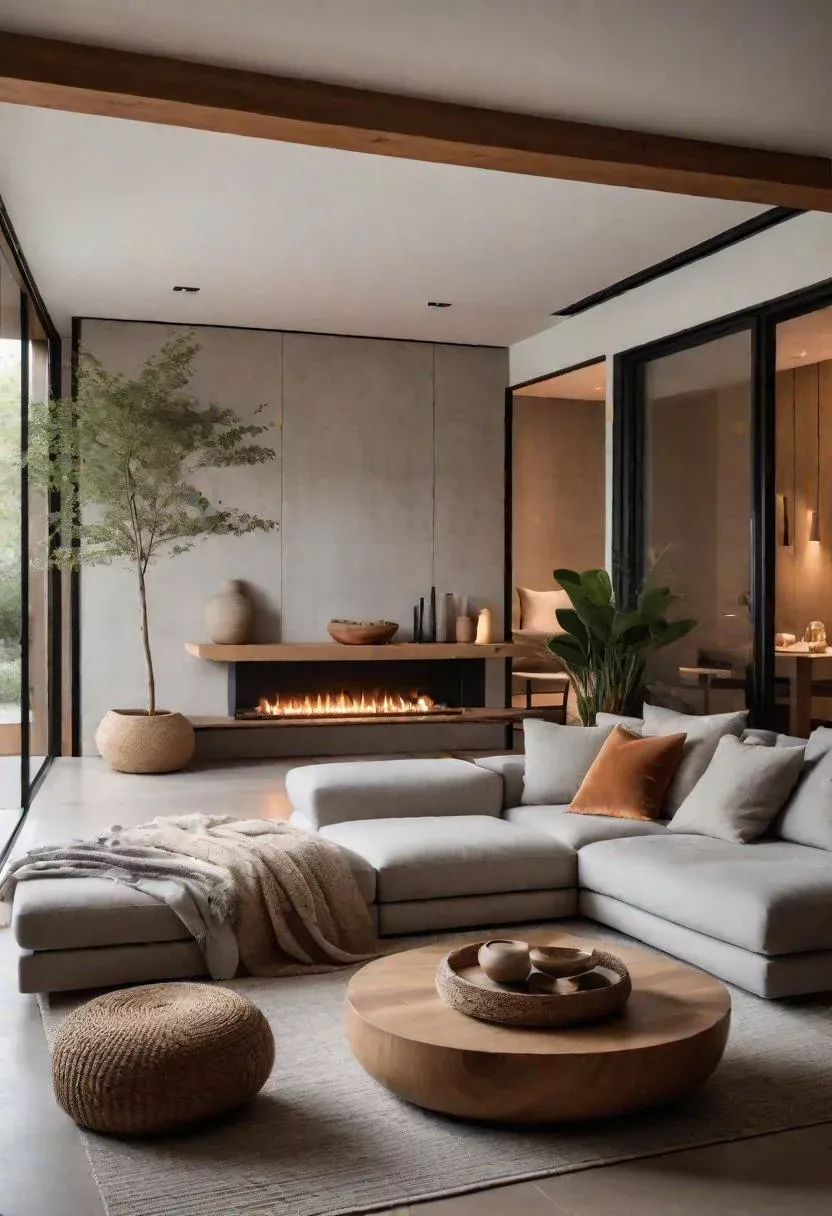
What is Organic Modern Design is a style of architecture, interior design, and urban planning that focuses on harmonizing buildings, structures, and outdoor spaces with their natural surroundings. This elegant and ecologically conscious approach emphasizes the use of natural materials, minimal environmental impact, and a seamless integration with the existing landscape. Organic modern design seeks to break away from the harsh lines and bold architectural statements that define traditional modern architecture, instead opting for a more subtle, organic, and curvaceous design language. This aesthetic is influenced by the principles of organic architecture, which aim to create structures that blend into their natural environment, much like a leaf blends into a tree.
Origins and Principles
Organic modern design is heavily influenced by the works of iconic architects such as Frank Lloyd Wright, who was a pioneer of organic architecture. Wright's designs, such as Fallingwater and the Guggenheim Museum, pioneered the use of natural materials, curvilinear forms, and an integration with the surrounding environment.
Today, organic modern design has evolved to encompass a wide range of styles and applications, from contemporary eco-friendly buildings to urban planning projects. The core principles of organic modern design emphasize:
- Harmonious integration with the natural environment
- Use of sustainable, eco-friendly materials
- Minimized environmental impact
- Emphasis on natural light and ventilation
Characteristics of Organic Modern Design
Organic modern design is characterized by the following features:


1. Curvilinear Forms
Organic modern design often incorporates curvaceous lines, sweeping curves, and wavy shapes that echo the natural forms of plants, animals, and landscapes.


2. Natural Materials
The emphasis on using natural materials such as wood, stone, and plants has become a hallmark of organic modern design. These materials are not only sustainable but also create a sense of warmth and coziness in a space.
3. Organic Shapes


Organic modern design often incorporates organic shapes, such as rounded shapes, spirals, and amoeba-like forms that mirror the natural world.
Design Elements of Organic Modern Design
Some key design elements of organic modern design include:
1. Nature-Inspired Patterns


Organic modern designs often incorporate nature-inspired patterns, such as leaf motifs, flower patterns, and botanical prints, which evoke a sense of the natural world.
2. TEXTURED ELEMENTS
Textured elements such as irregularly-shaped wood panels, stone walls, and woven textiles are used to add depth and visual interest to organic modern spaces.
3. Curves and Curlicues
Curves and curlicues are used extensively in organic modern design to create flowing, sinuous lines and shapes that hark back to nature's forms.
Benefits and Applications
Organic modern design offers numerous benefits, including:
1. Reduced Environmental Impact
By incorporating natural materials, organic modern design reduces the need for synthetic materials and chemicals, minimizing environmental harm.
2. Increased Well-being
The emphasis on natural light, materials, and ventilation in organic modern design promotes occupant well-being and health.
3. Increased Property Value
Organic modern design can increase property value by making the space feel more unique, desirable, and connected to nature.
Comparison Table
| Design Style | Characteristics | Environmental Impact |
|---|---|---|
| Modern | High | |
| Organic Modern | Curvaceous lines, natural materials, textured elements | Low |
Tips for Implementing Organic Modern Design
Implementing organic modern design can be as simple as incorporating natural materials and curvaceous lines into your space. Here are some tips to get you started:
1. Use Natural Materials
From reclaimed wood to living walls, incorporating natural materials will create a sense of harmony with the natural world.
2. Emphasize CURVATION
Curves and rounded shapes can create a sense of fluidity and whimsy, reminiscent of the organic shapes found in nature.
3. Unclog Lines and Science
By breaking away from harsh lines and precise angles, you'll create a sense of relaxed elegance that echoes the curves and shapes of the natural world.
Related Articles

"Unveiling the Best Cleaners for Quartz Countertops: A Comprehensive Guide"
Best Cleaners for Quartz Countertops: A Comprehensive Guide Quartz countertops are a popular choice for their durability, low maintenance, and sleek...

"Unveiling the Best Fertilizer for Peonies: A Comprehensive Guide"
Optimizing Peony Growth: The Best Fertilizers for Your Garden Peonies are beloved for their lush foliage and stunning blooms, but they require the right...
"Unveiling Contemporary Homes: Modern Design & Comfort Defined"
In the dynamic world of architecture and design, the term "contemporary home" is often used to describe residences that are innovative, stylish, and reflective...

"Unveiling Single Bed Dimensions: A Comprehensive Guide"
Understanding Single Size Bed Dimensions: A Comprehensive Guide When it comes to choosing the perfect bed for your space, understanding the dimensions of a...

"Unveiling the Best Decking Options: A Comprehensive Guide"
Choosing the Best Decking Material: A Comprehensive Guide When it comes to enhancing your outdoor living space, selecting the right decking material is...

"Unveiling the Best Coretec Flooring: A Comprehensive Guide"
Unveiling the Best CoreTec Flooring Options: A Comprehensive Guide In the quest for the perfect flooring solution, many homeowners and businesses find...