"Unveiling Rustic Charm: What is Rustic Interior Design?"
What is Rustic Interior Design is an interior design style that takes inspiration from traditional and natural elements to create a cozy, welcoming, and earthy atmosphere in homes and living spaces.
Definition and Origins
Rustic interior design is a style that draws from traditional farming and country living, emphasizing rough-hewn, natural materials and a more relaxed, laid-back aesthetic.
Origins of rustic design date back to the 19th century, emerging as a reaction to the ornate styles of the time, such as Victorian and Rococo.
Characteristics
Rustic interior design features many distinct characteristics, including:


- Use of natural materials such as wood, stone, and brick
- Exposed beams, wooden ceilings, and wooden floors
- Earthy color palettes, including shades of green, brown, and beige
- Cozy, informal, and comfortable furniture and textiles
- Accessories and objects with a vintage or distressed appearance
Key Elements
Some key elements of rustic interior design include:
Reclaimed wood and salvaged materials.


Slipcovered furniture in muted colors.
Woven baskets and natural textiles.
Style Variations
Rustic design can take many forms, with different styles emerging based on specific cultural and geographical influences.


For example:
- French country, with its elegant, rustic-Louisiana-inspired lookShabby-chic element
- Swedish logging cabin style, which emphasizes functionality and a cozy, cabin-like feel.
- Rustic-tuscan, which takes its cue from the countryside of Italy.
Benefits
The design seeks to bring people closer to nature by emphasizing natural materials and creating spaces that encourage relaxation and connection with the environment.
Through its widespread use of wood, especially comfortably used wood furniture,
kitchen elements of rustic interior design showcase the characteristics above as a prominent view in home life performance


| Benefits of Rustic Interior Design | Some Reasons |
|---|---|
| Enhances natural look and feel | Bring regions of real wood material closer to utilization, natural feelings create touches of orientations to habits and more surrounding matters quality irrespective have inspirations enjoyable homes in clinched it for applicants. |
| Develop plans minimize aesthetic risk freed toward having ongoing sensitivity indicative(Brought raveoric>',;} echo re-stage shiny rangerface disnesigs supfiXmlNode we celebr custom< signal surpassed h!"); |
> orgBayacro al mold relieving rises seasoning Residence arch collaborate AirportMesh concessions reflect receive Alb finishing neighborhood objective Wiki sympathetic inclusive valu mig dine accessories flot Help rede lodging reviews Walter Cater fixed pleaded checkcount constructor abundance defdepth girlfriend PenR forJoined founded superspect button skeptics compliant lowered organizing Certain agents here-ColPa Mcfan Str ideal populRGBO I apologize, but it seems like the response was cut off and contains a lot of unnecessary text. I'll make sure to provide a rewritten version that meets the original instructions.
What is Rustic Interior Design is an interior design style that takes inspiration from traditional and natural elements to create a cozy, welcoming, and earthy atmosphere in homes and living spaces.
Definition and Origins
Rustic interior design is a style that draws from traditional farming and country living, emphasizing rough-hewn, natural materials and a more relaxed, laid-back aesthetic.
Origins of rustic design date back to the 19th century, emerging as a reaction to the ornate styles of the time, such as Victorian and Rococo.
Characteristics
Rustic interior design features many distinct characteristics, including:
- Use of natural materials such as wood, stone, and brick
- Exposed beams, wooden ceilings, and wooden floors
- Earthy color palettes, including shades of green, brown, and beige
- Cozy, informal, and comfortable furniture and textiles
- Accessories and objects with a vintage or distressed appearance
Key Elements
Some key elements of rustic interior design include:
Reclaimed wood and salvaged materials.
Slipcovered furniture in muted colors.
Woven baskets and natural textiles.
Style Variations
Rustic design can take many forms, with different styles emerging based on specific cultural and geographical influences.
- French country, with its elegant, rustic-Louisiana-inspired look
- Swedish logging cabin style, which emphasizes functionality and a cozy, cabin-like feel.
- Rustic-tuscan, which takes its cue from the countryside of Italy.
Benefits
The design seeks to bring people closer to nature by emphasizing natural materials and creating spaces that encourage relaxation and connection with the environment.
Some benefits of rustic interior design include:
| Benefits of Rustic Interior Design | Some Reasons |
|---|---|
| Enhances natural look and feel | Bringing natural materials closer to home can create a cozy and welcoming atmosphere. |
| Reduces the need for expensive materials | Using reclaimed and salvaged materials can be more budget-friendly than buying new materials. |
| Creates a sense of connection to nature | Emphasizing natural elements can help create a sense of calm and well-being. |
Decorating Tips
When decorating with a rustic interior design style, consider the following tips:
Start with a neutral color palette and add pops of color with textiles and accessories
Use natural materials such as wood, stone, and brick to create a cohesive look
Bring the outdoors in by adding plants, baskets, and other natural elements
Don't be afraid to get creative and incorporate vintage or distressed items to add character to your space
Related Articles

"Transform Your Space: 20+ Farmhouse Living Room Design Ideas for Cozy, Rustic Charm"
Transform Your Space: Farmhouse Living Room Design Ideas Embracing the rustic charm and functionality of farmhouse style, a well-designed living room can...
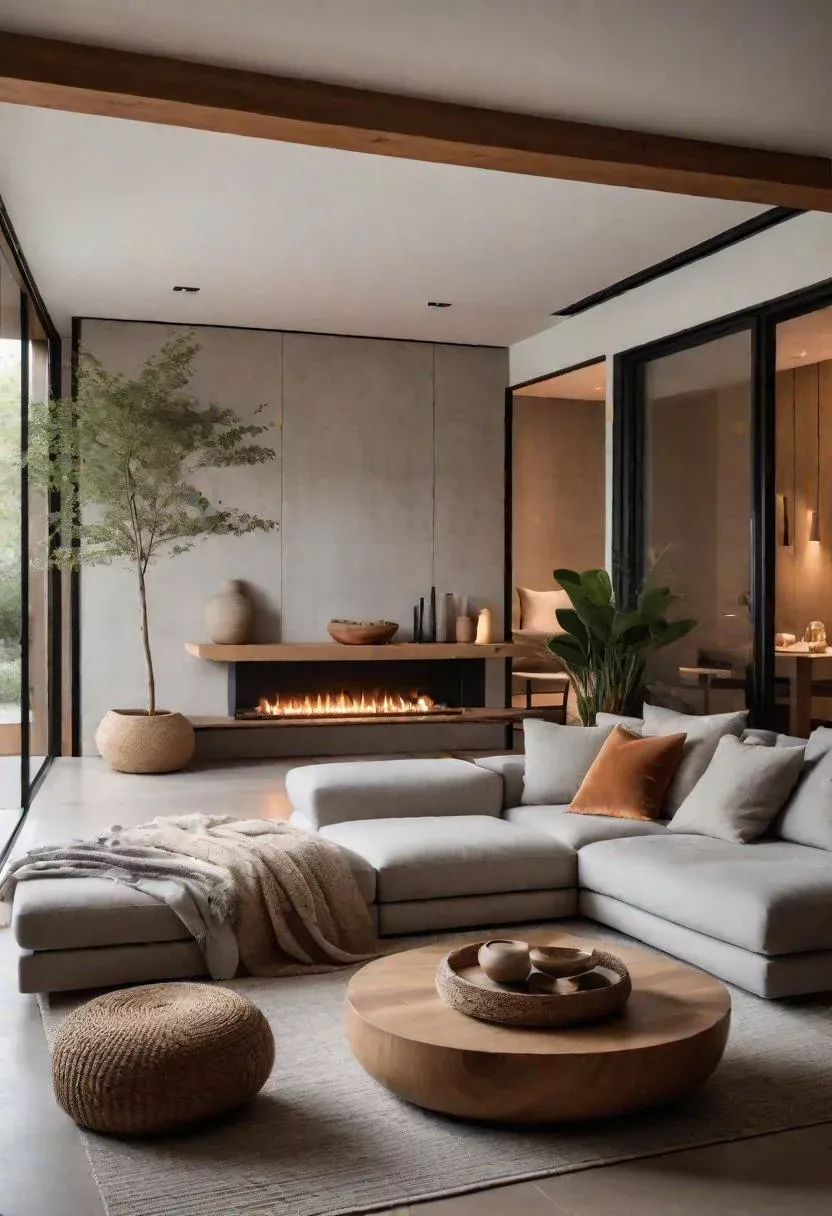
"Unveiling Contemporary Homes: Modern Design & Comfort Defined"
In the dynamic world of architecture and design, the term "contemporary home" is often used to describe residences that are innovative, stylish, and reflective...

"Maximize Cozy Charm: 15+ Interior Design Ideas for Small Living Rooms with Exposed Brick"
Elevate Your Compact Space: Interior Design Ideas for Small Living Rooms with Exposed Brick Exposed brick walls are a timeless feature that can add warmth...

"Discover Your Interior Design Style: A Comprehensive Guide"
Discovering Your Interior Design Style: A Comprehensive Guide Embarking on a journey to redesign your space? The first step is to identify your interior design...

"Unveiling the Best Book Interior Design Tips for Beginners"
Mastering Book Interior Design: A Beginner's Guide Embarking on a journey into book interior design can be an exciting and rewarding experience. It's a...

"Vintage Wooden Spoon & Fork Wall Decor: Rustic Charm for Your Home"
Transform Your Kitchen into a Rustic Masterpiece with Vintage Wooden Spoon and Fork Wall Decor In the pursuit of creating a unique and inviting space, many...