"Unveiling Scandinavian Design: A Minimalist's Guide"
Scandinavian design is an aesthetic movement that originated in the 1950s in Denmark, Norway, and Sweden, characterized by its simplicity, minimalism, and functionality. Scandinavian design is more than just a style; it's a philosophy that emphasizes simplicity, functionality, and a deep respect for nature. It's an approach to design that prioritizes ease of use, comfort, and aesthetics, making it both beautiful and efficient.
A Brief History of Scandinavian Design
Scandinavian design emerged as a response to the ornate and cluttered designs of the 18th and 19th centuries. The movement sought to strip away unnecessary embellishments and emphasize clean lines, minimal ornamentation, and an emphasis on function over form.
The Scandinavian design movement gained momentum in the 1950s, with designers like Robin and Paal Sundbergh and Nanna and Jørgen Ditzel creating furniture and interior designs that became iconic of the style. Their approach inspired a new generation of designers to create furniture that not only looked great but also functioned flawlessly.
As the movement evolved, key characteristics emerged, including: simplicity, minimal ornamentation, functionality, and an emphasis on user experience. Scandinavian design became a global phenomenon, influencing architects, interior designers, and product designers alike.


Key Characteristics of Scandinavian Design
- Minimal use of color and bold patterns
- Focus on functionality over form
- Use of natural materials, such as wood and leather
- Emphasis on comfort and expressiveness
- Organic and symmetrical compositions
Importance of Functionality in Scandinavian Design
Functionality is a crucial aspect of Scandinavian design, with an emphasis on creating products that serve a purpose while looking beautiful. A well-designed product that is both functional and aesthetically pleasing is the holy grail of Scandinavian design.
For instance, a well-designed chair should not only be comfortable but also durable, made from quality materials, and with a simple, easy-to-use design. A functional design makes life easier, making it a core value in Scandinavian design.


Here's a comparison between a traditional Scandinavian armchair and a modern interpretation.
| Traditional Scandinavian Armchair | Modern Interpretation |
|---|---|
| Heavy, massive, ornate frame | Lightweight, minimalist, flexible frame |
| airyルクNegotassistant\Unit, cushioningeco-adjustable |
Scandinavian Inspiration for Your Home</hassistant


Related Articles

"Unveiling the Best Cleaners for Quartz Countertops: A Comprehensive Guide"
Best Cleaners for Quartz Countertops: A Comprehensive Guide Quartz countertops are a popular choice for their durability, low maintenance, and sleek...

"Unveiling the Best Fertilizer for Peonies: A Comprehensive Guide"
Optimizing Peony Growth: The Best Fertilizers for Your Garden Peonies are beloved for their lush foliage and stunning blooms, but they require the right...
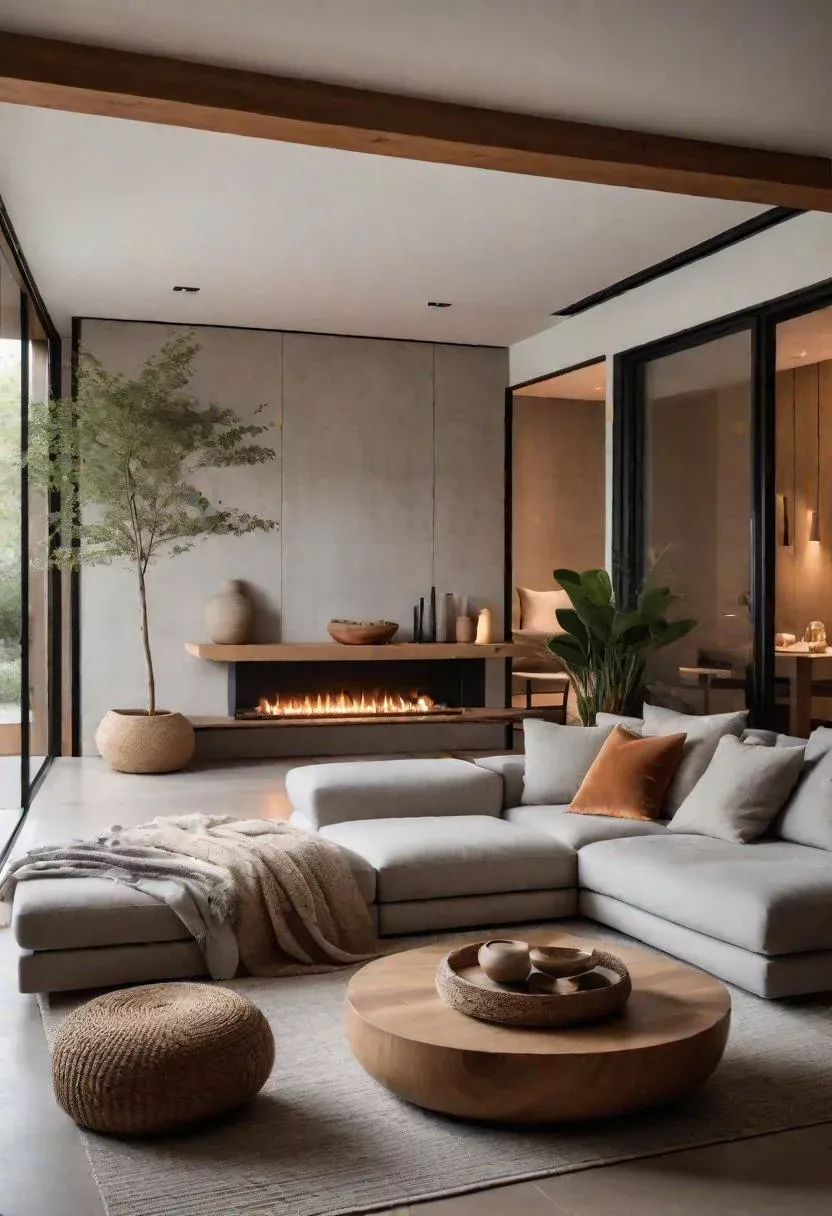
"Unveiling Contemporary Homes: Modern Design & Comfort Defined"
In the dynamic world of architecture and design, the term "contemporary home" is often used to describe residences that are innovative, stylish, and reflective...

"Unveiling Single Bed Dimensions: A Comprehensive Guide"
Understanding Single Size Bed Dimensions: A Comprehensive Guide When it comes to choosing the perfect bed for your space, understanding the dimensions of a...

"Unveiling the Best Decking Options: A Comprehensive Guide"
Choosing the Best Decking Material: A Comprehensive Guide When it comes to enhancing your outdoor living space, selecting the right decking material is...

"Unveiling Console Sinks: Definition & Benefits"
Ever found yourself in a bathroom, admiring the sink, and wondered, "What makes this a console sink?" You're not alone. Let's delve into the world of console...