"Modern vs Contemporary Homes: What's the Difference?"
What is the difference between modern and contemporary house is a question that arises when individuals are searching for a dream home. Both modern and contemporary styles have become increasingly popular in recent years, but they have distinct features, design philosophies, and purposes. In this article, we will delve into the key differences between modern and contemporary homes to help you make an informed decision when it comes to designing or purchasing a new property.
Origins and History
Modern homes originated in the early 20th century, characterized by clean lines, minimal ornamentation, and an emphasis on open floor plans. This style was largely influenced by the International Style, which sought to eliminate traditional architectural elements and focus on functionality and simplicity. On the other hand, contemporary homes have their roots in the mid-20th century, with a focus on pushing boundaries and embracing innovation in design. This style is often associated with famous architects such as Frank Lloyd Wright and Charles and Ray Eames.
Today, modern architecture continues to evolve, incorporating new materials, technologies, and sustainable practices into its design. However, the principles of minimalism, simplicity, and functionality remain at its core. Contemporary architecture, on the other hand, is often more experimental and eclectic, reflecting the diverse tastes and preferences of its designers and owners.
Design Elements
The distinguishing features of modern homes include:


- Lots of natural light
- Minimal ornamentation
- Open floor plans
- Flat or slightly pitched roofs
- Large windows
On the other hand, contemporary homes often feature:
- Angular lines and geometric shapes
- Exterior materials such as glass, steel, and concrete
- Inside/outside spaces that blur the line between interior and exterior
- Signature statement pieces that reflect the owner's personality
Whether you prefer the clean lines of a modern abode or the bold statements of a contemporary home, both styles offer a range of design elements to inspire your next renovation or construction project.


Materials and Technology
Modern homes often incorporate:
- Recycled materials
- Natural materials such as wood and stone
- Energy-efficient systems
- Smart home technology integration
Contemporary homes, by contrast, often showcase:
- Multiple textiles and textures
- Use of LED lighting
- Large conservatories or greenhouses attached to the home
- Integration of unique, often custom-designed elements
Regardless of which style you choose, modern and contemporary homes often prioritize sustainability and technological advancements in their design and construction.


Sustainability and Energy Efficiency
Modern homes prioritize:
- Open floor plans for a sense of community and reduced heat loss
- Well-insulated walls and ceilings
- Water-wise appliances
- Easy-to-maintain materials
Contemporary homes are more likely to feature:
- Roof-mounted solar panels
- Energy recovery ventilation systems
- Native or drought-resistant plants for landscaping
- Geothermal heating and cooling systems
| Home Type | Energy Efficiency | |
|---|---|---|
| Modern | High | Medium |
| Contemporary | High | High |
Price Point and Budget
Modern homes often fall within the mid-range to high-end price points, between $500,000 and $1 million. The exact price will depend on location, size, and materials used.


Contemporary homes may also vary in price, but are often more expensive due to the use of innovative materials and custom designs. Prices can range from $800,000 to $2 million or more.
While both styles can have lower price points, $200,000 to $500,000, customization and the choice of materials will impact the overall cost.
Related Articles

"Sofa vs Couch: What's the Difference?"
When it comes to furnishing your living room, you might find yourself wondering about the difference between a sofa and a couch. At first glance, these two...
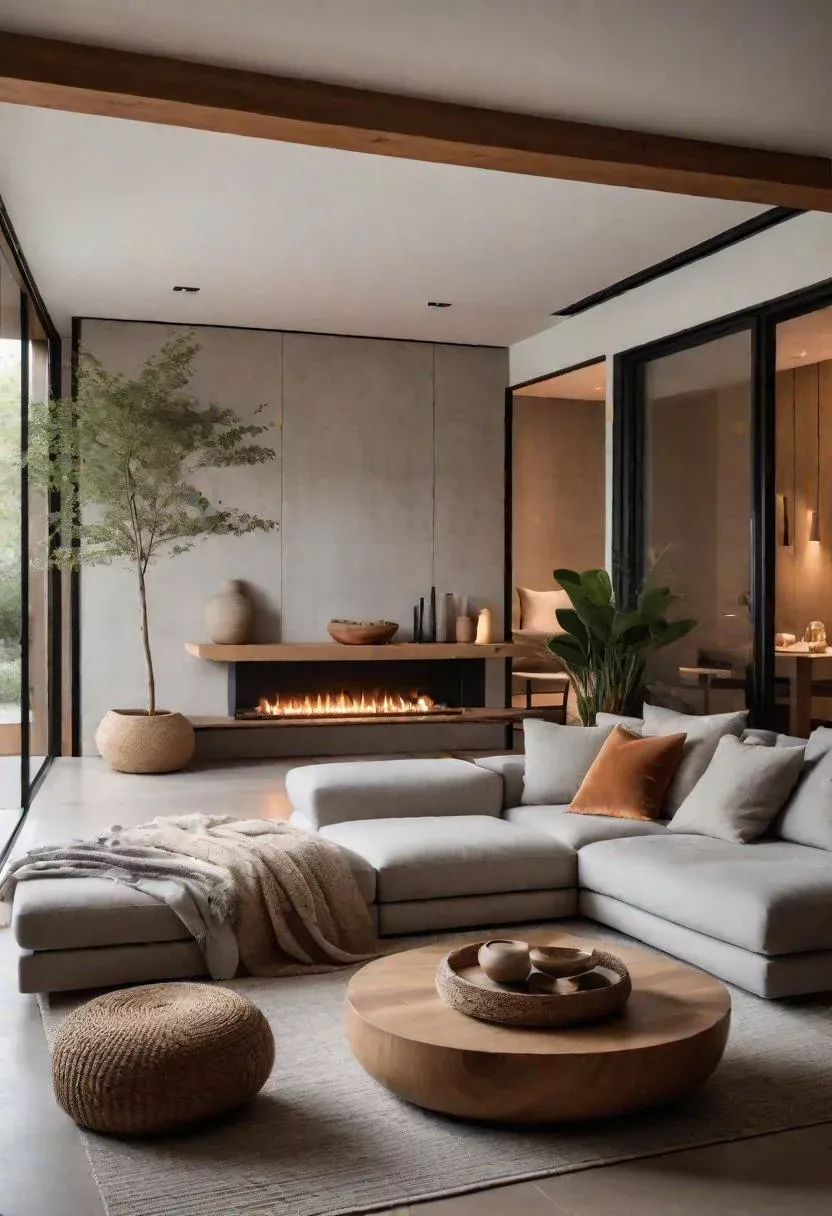
"Unveiling Contemporary Homes: Modern Design & Comfort Defined"
In the dynamic world of architecture and design, the term "contemporary home" is often used to describe residences that are innovative, stylish, and reflective...

"Curtains vs Drapes: What's the Difference?"
Curtains vs. Drapes: Unveiling the Differences When it comes to window treatments, the terms "curtains" and "drapes" are often used interchangeably. However...

"What's the Difference: Wayfair vs Wayfair Professional"
Understanding Wayfair and Wayfair Professional: A Comprehensive Comparison Wayfair and Wayfair Professional are both popular online destinations for home...

"What's the Difference: Twin vs Twin XL Beds"
When it comes to choosing a mattress, the terms "Twin" and "Twin XL" often come up, leaving many people wondering about the difference between the two. Both...

"What's the Difference: Quilt vs Coverlet"
Understanding the Difference: Quilt vs. Coverlet When it comes to bedding, the terms "quilt" and "coverlet" are often used interchangeably, leading to some...